
Des Moines Personal Injury Lawyer
Trusted personal injury lawyers serving clients across Des Moines and the surrounding area.
If you’ve been hurt in an accident in Des Moines, we are here to help you. A Des Moines, IA personal injury lawyer from Law Group of Iowa can take over communication with the insurance company while you focus on healing. Our attorneys have represented injured Iowans for more than two decades, and we offer free consultations so you can understand your options before making any decisions.
Personal Injury Lawyer Des Moines, IA
A personal injury lawyer holds negligent people and companies financially accountable for the harm they cause. That work starts with investigating the accident, gathering evidence, and identifying every party who shares fault.
Personal injury law covers far more than car crashes. It includes falls on dangerous property, defective products, animal attacks, medical errors, and deaths caused by negligence. Each type of case has its own rules of proof, but the core question stays the same: did someone fail to use reasonable care, and did that failure injure you?
Types of Personal Injury Cases We Handle in Des Moines
Our firm represents injured plaintiffs, not insurance companies. We have handled injury claims across central Iowa since the early 2000s, and the case types below make up the bulk of that work.
- Car accidents. We represent people hurt in rear-end collisions, head-on crashes, drunk driving wrecks, and collisions with uninsured motorists. We collect crash reports, witness statements, and medical records, then deal directly with the insurer so you do not have to.
- Truck accidents. Semi-truck cases involve federal regulations, driver logs, and corporate defendants. We move quickly to preserve evidence like black box data before the trucking company’s investigators get ahead of the claim.
- Motorcycle accidents. Riders often face serious injuries and unfair bias from adjusters who assume the motorcyclist caused the crash. We push back with physical evidence and accident reconstruction when needed.
- Slip and fall accidents. Property owners must keep their premises reasonably safe. We pursue claims involving icy walkways, wet floors, broken stairs, and poor lighting in stores, apartments, and businesses.
- Pedestrian accidents. A person on foot has no protection against a vehicle. These cases frequently involve catastrophic injuries and disputes over right of way at intersections and crosswalks.
- Bicycle accidents. Cyclists have the same right to the road as drivers. We handle claims for riders struck by inattentive or aggressive motorists.
- Dog bites. Dog attacks can leave permanent scarring and lasting fear, particularly for children. We pursue compensation from owners and their insurers.
- Medical malpractice. When a doctor, nurse, or hospital falls below the accepted standard of care, patients suffer. These cases demand careful review of records and qualified medical opinions.
- Brain injuries. Traumatic brain injuries change lives, and their full effects may not appear for months. We work with treating providers to document long-term needs before settling.
- Wrongful death. When negligence takes a life, surviving family members can pursue a claim for their losses. We handle these cases with the care and patience they require.
Why Choose Law Group of Iowa as my Personal Injury Lawyer in Des Moines, IA?
Decades of Plaintiff-Side Trial Work
Attorney Christopher Johnston is a founding member of our firm and has practiced law since 2001. He has tried and resolved cases involving car accidents, motorcycle crashes, semi-truck collisions, civil rights violations, and wrongful death. Christopher Martineau, also a founder, has practiced since 2003 and is a member of the Million Dollar Advocates Forum, a group limited to attorneys who have won million-dollar verdicts or settlements.
We Know Polk County Courts and Iowa Insurers
Our attorneys appear regularly in the courts where Des Moines injury cases are actually decided. We know how local insurance defense firms value claims and what juries in this part of Iowa expect from the evidence. That familiarity shapes how we build each case from the first day. And because every personal injury consultation at our firm is free, you can sit down with a Des Moines personal injury attorney and get straight answers before you commit to anything.
What Is Important to Understand About a Personal Injury Case?
Damages, Liability, and Compensation for Personal Injury Cases
Liability in most Iowa injury cases rests on negligence, meaning the failure to use the care a reasonable person would use in the same situation. Iowa applies a modified comparative fault rule under Iowa Code chapter 668. You can still recover compensation if you were partly at fault, as long as your share of fault is not greater than the combined fault of the defendants, but your recovery is reduced by your percentage of blame.
The types of compensation available depend on your losses. Common categories include:
- Medical expenses, both past and future
- Lost wages and reduced earning capacity
- Pain and suffering
- Loss of function of the body or mind
- Property damage
- Punitive damages in limited cases involving willful and wanton conduct
What Are Important Aspects of a Personal Injury Case?
A strong claim is built on documentation and timing. The decisions you make in the first weeks after an accident affect the value of your case months later. Keep these points in mind:
- Get medical care promptly and follow your treatment plan
- Preserve photos, names of witnesses, and any incident or crash reports
- Be careful what you say to adjusters, since talking to an insurance adjuster without counsel can hurt your claim
- Stay off social media regarding the accident and your injuries
What Is the Personal Injury Case Timeline?
How long a claim takes depends on the severity of your injuries and whether the insurer negotiates in good faith. Most cases move through the same general stages:
- Investigation and medical treatment
- Demand to the insurance company
- Negotiation
- Filing a lawsuit if negotiations stall
- Discovery, depositions, and either settlement or trial
Iowa’s statute of limitations matters here. Under Iowa Code chapter 614, most personal injury claims must be filed within two years of the injury. Miss that deadline and the court will almost certainly dismiss your case, no matter how strong it is.
What Should You Bring to Your Personal Injury Consultation?
You do not need a perfect file to meet with us. Bring what you have:
- Any crash or incident report
- Medical records and bills
- Photos of the scene, your injuries, or property damage
- Correspondence from insurance companies
- Your insurance policy information
Your consultation with a personal injury attorney in Des Moines, IA is free and confidential. We’ll review your situation, explain your legal options, and give you an honest assessment of the claim.
What Are Important Iowa Legal Resources for Personal Injury Cases?
If you want to research Iowa law on your own, start with official state sources rather than commentary sites. These resources can help:
- The Iowa Legislature website publishes the full Iowa Code, including the limitations and comparative fault statutes discussed above.
- The Iowa Judicial Branch explains court procedures and provides public information about the state court system.
- The Governor’s Traffic Safety Bureau tracks the leading causes of fatal crashes on Iowa roads, including impairment, distraction, speed, and unbuckled driving.
- NHTSA data shows distracted driving claimed 3,208 lives nationwide in 2024.
4 Steps to Take After Being Injured
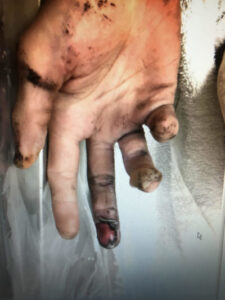 If you were injured due to the negligence of another party, you could be entitled to compensation with the help of an injury lawyer in Des Moines, IA from Des Moines Injury Law, LLP. How do you know where to start? What should you do about your injury in the meantime? You may have a lot of questions you want answers to. The following are four steps you can take to get started.
- Seek Medical Care
Before you worry about anything else, worry about your health. Some injuries get worse over time without the attention of a medical professional. Also, if you don’t receive immediate treatment, it could look to a jury or judge that you weren’t too badly injured to begin with. The insurance adjuster could also view your injury in a more negative light if you don’t have immediate care.
- Contact a Lawyer
After you feel you are being properly cared for by medical professionals, it’s time to get in touch with an injury lawyer in Des Moines, IA. More serious injuries call for a lawyer more than small injuries do. For example, if you were only slightly injured and can settle in small claims court, you may not need a lawyer. If your injury includes a broken bone, time away from work for a considerable amount of time or medical bills that extend beyond a few thousand dollars, a lawyer could be most beneficial.
- Investigate and Collect Evidence
With the help of your injury lawyer in Des Moines, IA, you will need to investigate the incident that caused your injury. Your lawyer may speak to witnesses, collect surveillance videos, take pictures and complete other investigative tactics. With this evidence, you can work together to determine what damages you’ll seek and what you’ll claim in the lawsuit.
- File the Lawsuit
Each state has a different statute of limitations. What this means is each state has a different timeline for which you have to file your lawsuit. The time starts ticking once you discover your injury. For example, if you were hit by a car, remained conscious and ended up breaking a few bones, you would know immediately that you were injured. The statute of limitations would begin right away. If you were hit by a car and knocked unconscious, remaining so for a few months, the statute of limitations would begin when you woke up and a medical professional deemed you competent again.
Reach Out to Law Group of Iowa to Schedule a Consultation
You only get one chance to resolve an injury claim, so it pays to get it right the first time. Law Group of Iowa offers free consultations for all personal injury matters, and our attorneys respond promptly to new inquiries. Contact us to schedule a confidential case review with a Des Moines, IA personal injury attorney and find out what your claim may be worth.